The Complete Guide to Chon-Don from an Attacking-Half Kick-In
Published: 2021.04.25Updated: 2026.05.04
Because a direct goal is not allowed from an attacking-half kick-in, the best-known solution in futsal is the "chon-don": the kicker gives the ball a small tap, and the shooter hits it first time to create an easy scoring chance.
Even though chon-don is simple, it is an extremely powerful set play that is often impossible to stop even when the defence knows it is coming.
In this article, I will explain every option in chon-don in careful detail, breaking them down into four main patterns.
You do not need a huge number of attacking-half kick-in routines as a team. If you can master chon-don alone, you can score again and again, so I hope this article helps you fully understand it.
- Stand 5 meters away from the ball.
- Put two players in the wall, one covering the near side and one the far side. (If the position is very deep or the angle is too tight for a realistic shot, one player may be enough.)
- Once the ball is in play, one of them attacks the ball. In principle, this is the far-side player.
Whether the wall is built from the near side or the far side depends on the team. Many teams build it from the near side first.
In general, a two-player wall can cover most of one goal's shooting lane, but it cannot fully take away the passing lane to the segundo, so many teams divide the job by having the wall protect the near side and the goalkeeper handle the far side and segundo.
With this way of building the wall, teams often want to shut the near-side shooting lane completely, so they keep the near-side wall fixed (stone) and have the far-side wall step out to attack the ball.
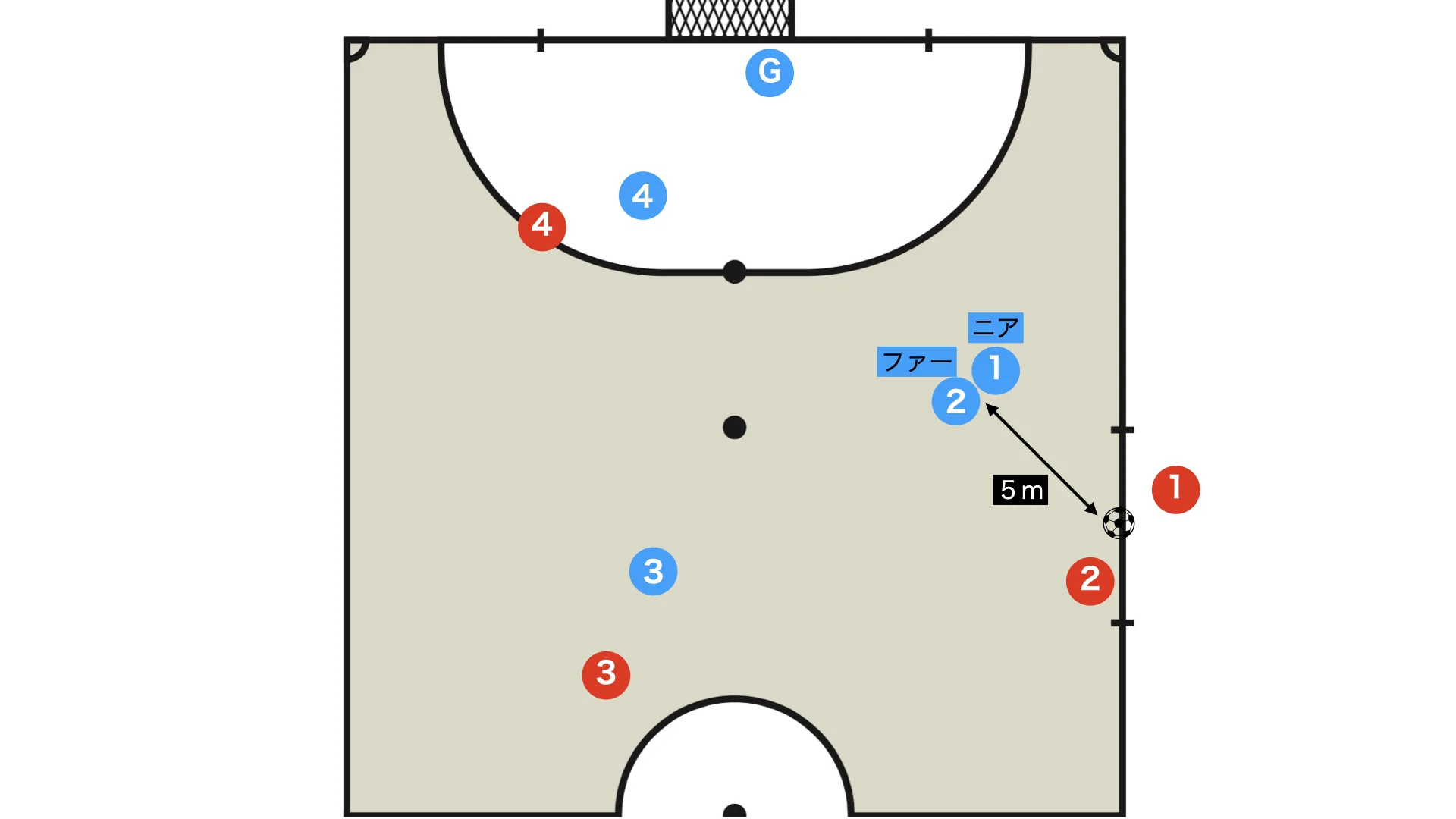
When the shooter is close to the ball, the near-side and far-side wall players stay tight together so the wall does not split.
If the wall is out of position, the goalkeeper should correct it with instructions from behind.
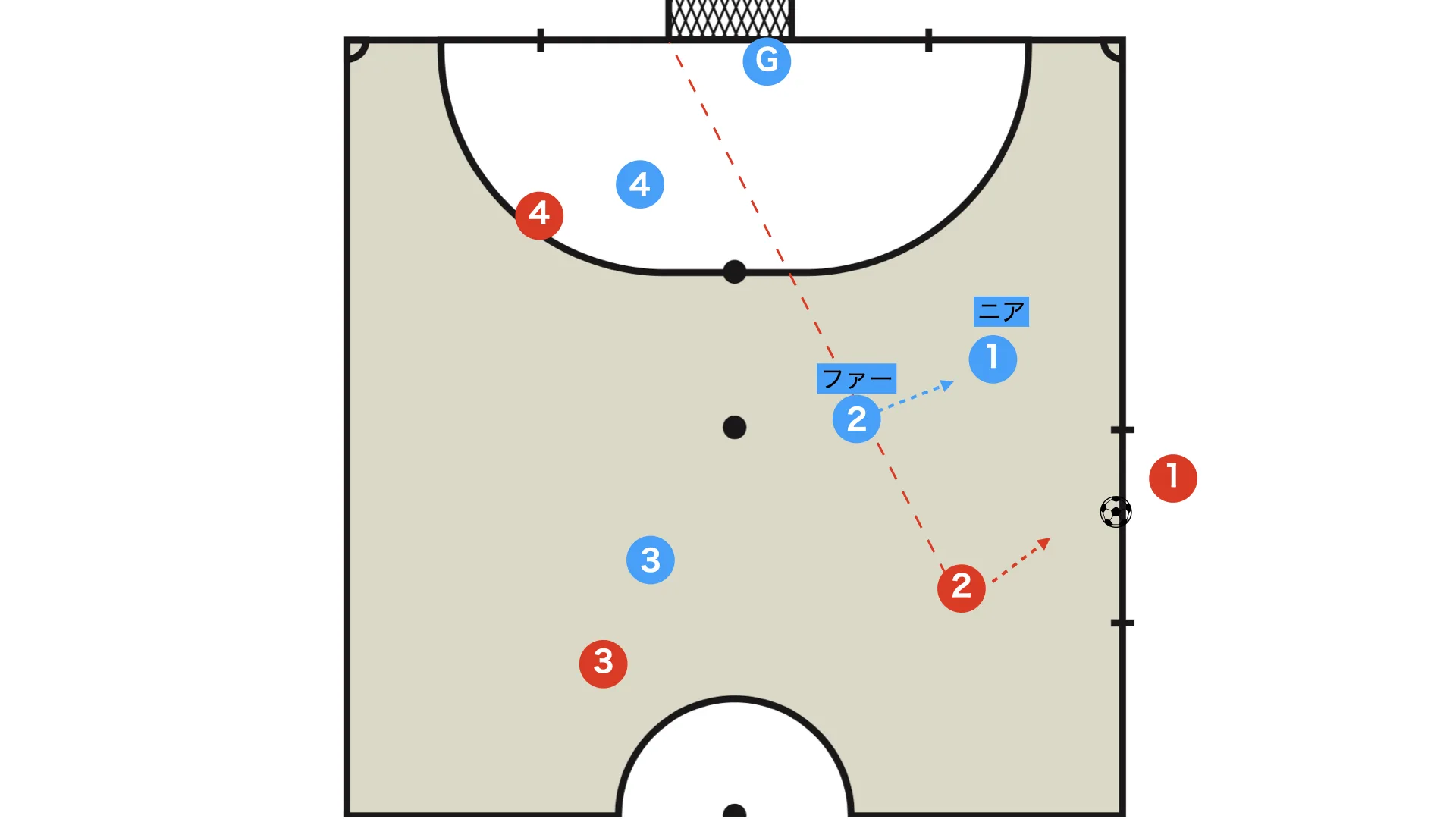
When the shooter starts farther from the ball and has a longer run-up, the far-side wall player stands on the line between the opponent and the far post, then adjusts little by little as the kicker changes position. At the moment of the shot, the idea is still to be connected to the near-side wall.
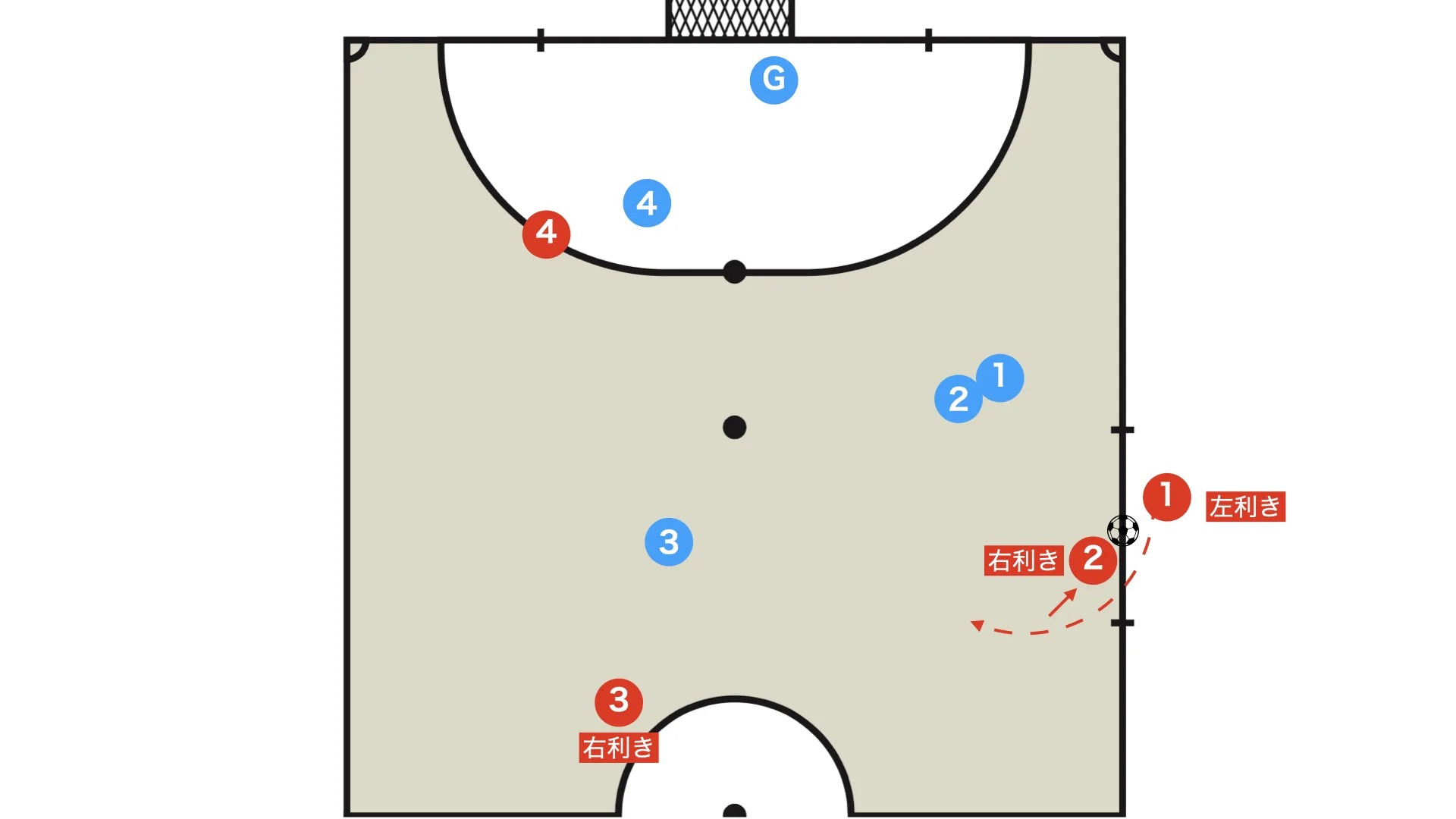
Position the players with strong foot and individual ability in mind.
Opening movement
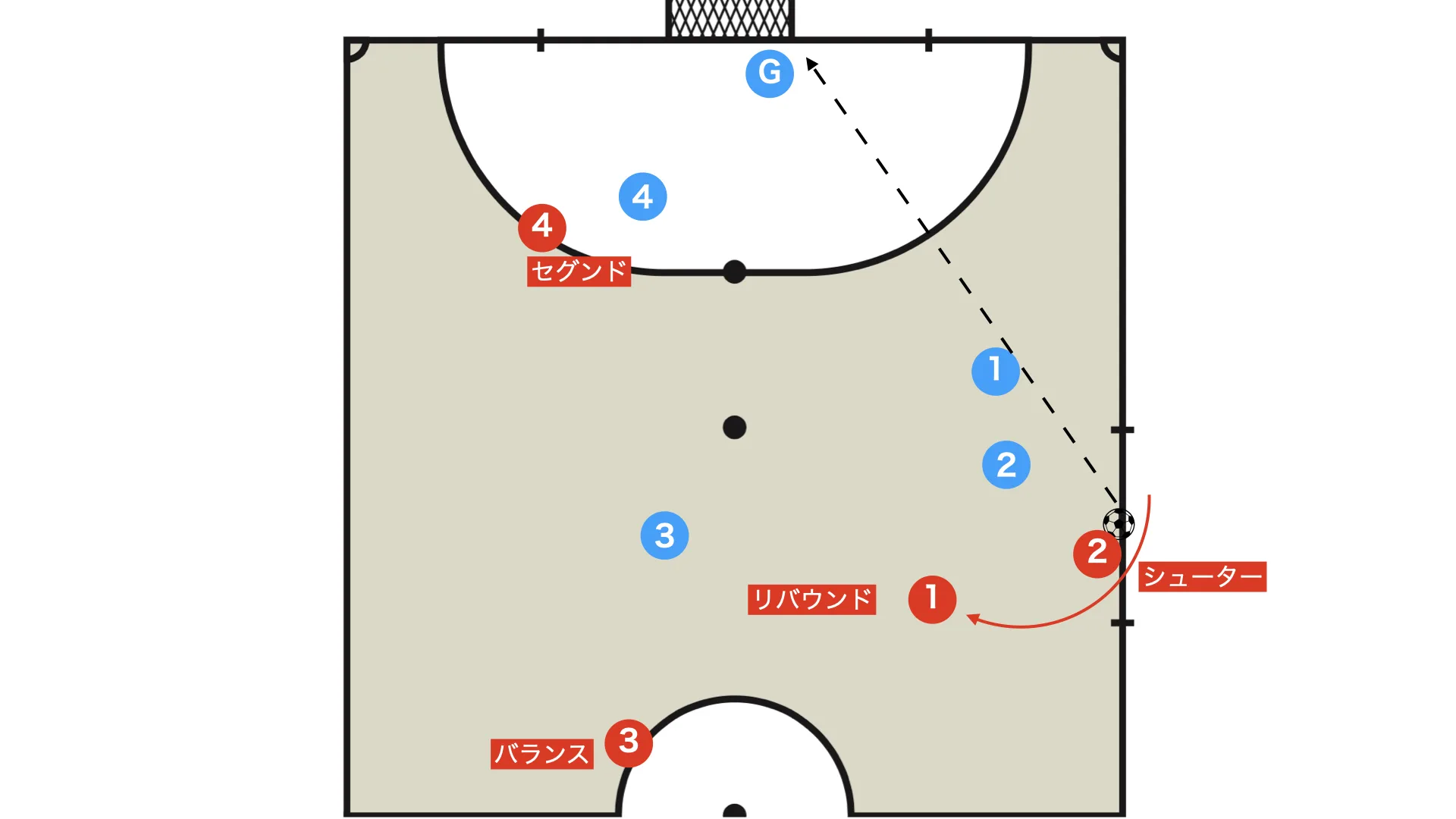
As soon as the kicker taps the ball, they should immediately run around behind the shooter.
(The purpose of running behind the shooter is to cover the rebound position and force the wall to split.)
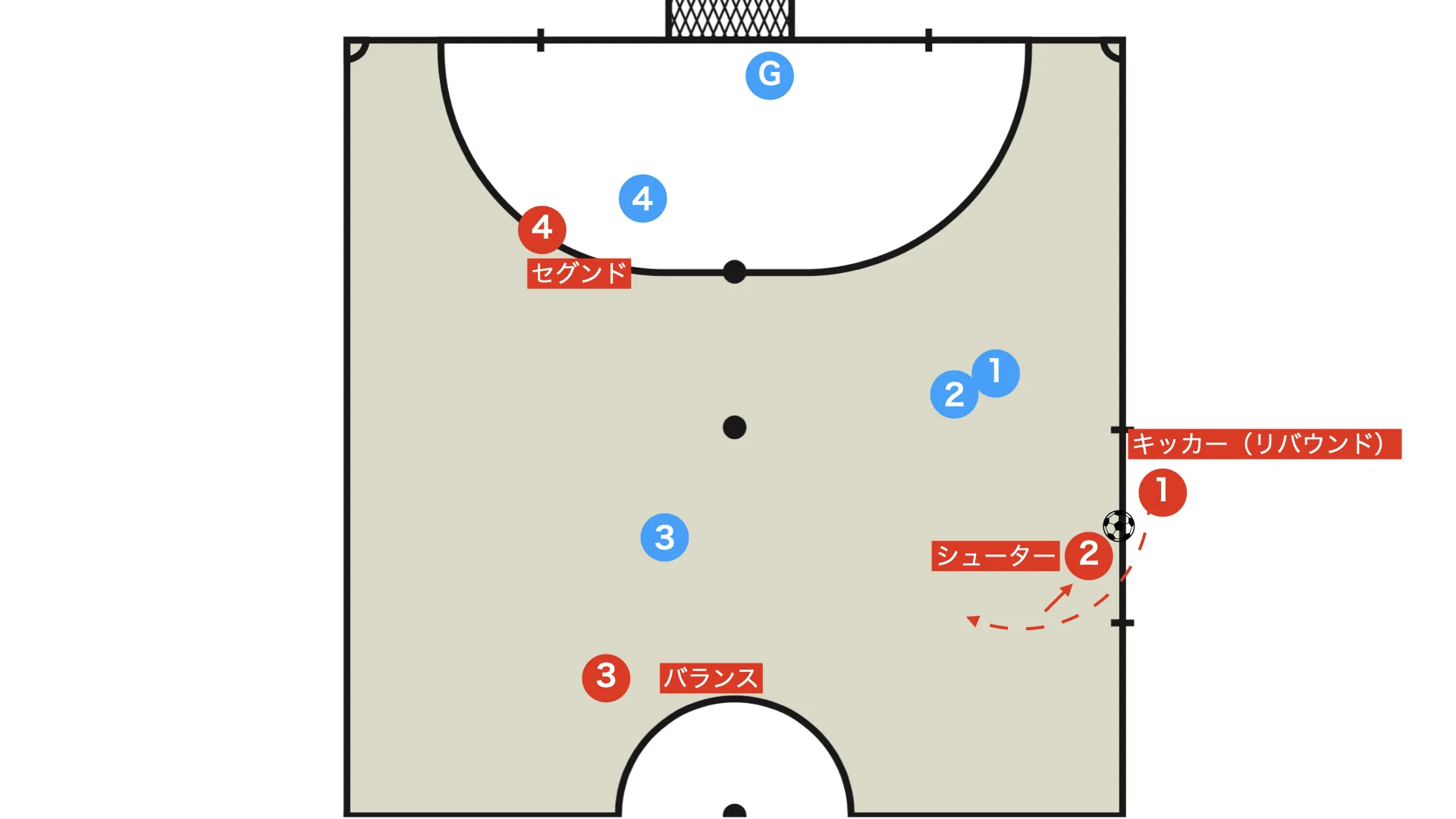
At the moment of the shot, think in terms of a finishing triangle: a triangle formed by the shooter, segundo, and rebound positions, plus the balance player.
It is important that every player always understands which role they are responsible for and plays with clear awareness of it.
Note
These roles change depending on the attacking pattern.
The main aim of chon-don is to go directly for goal with the shot.
If you choose the shot in chon-don, the basic rule is to aim for the near side, the shortest route to goal.
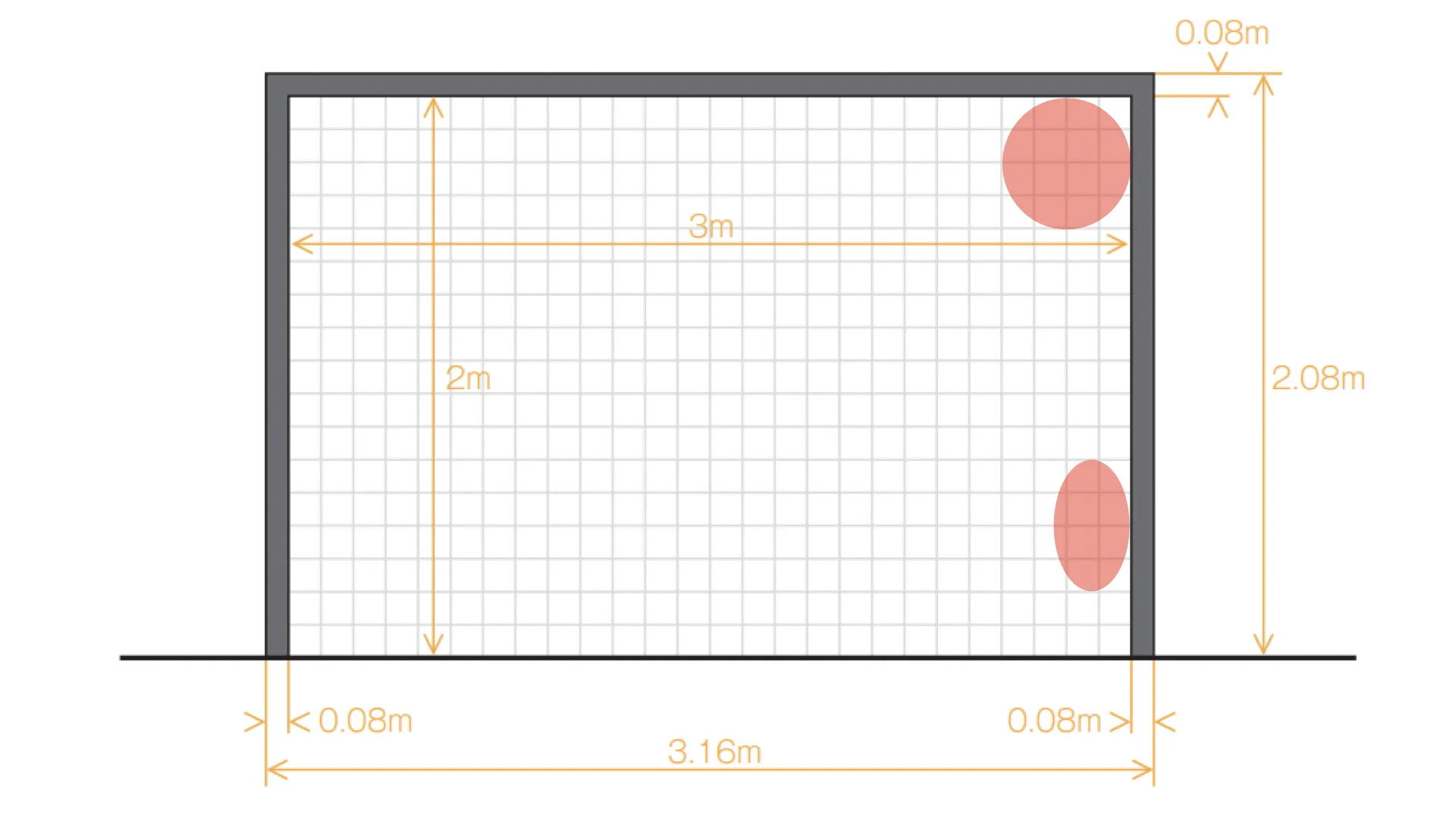
The easiest shooting lanes to score from are a slightly lifted shot to the near side that the goalkeeper cannot reach even with an outstretched leg, and the top corner.
A shot that rises slightly off the ground can still be blocked by a defender stretching a leg from the wall, so aiming for the upper near corner is usually a better way to beat the wall. (When you aim high, the ball travels through the height around the defender's legs and hips, which makes it harder for the defender to block and often makes them pull away.)
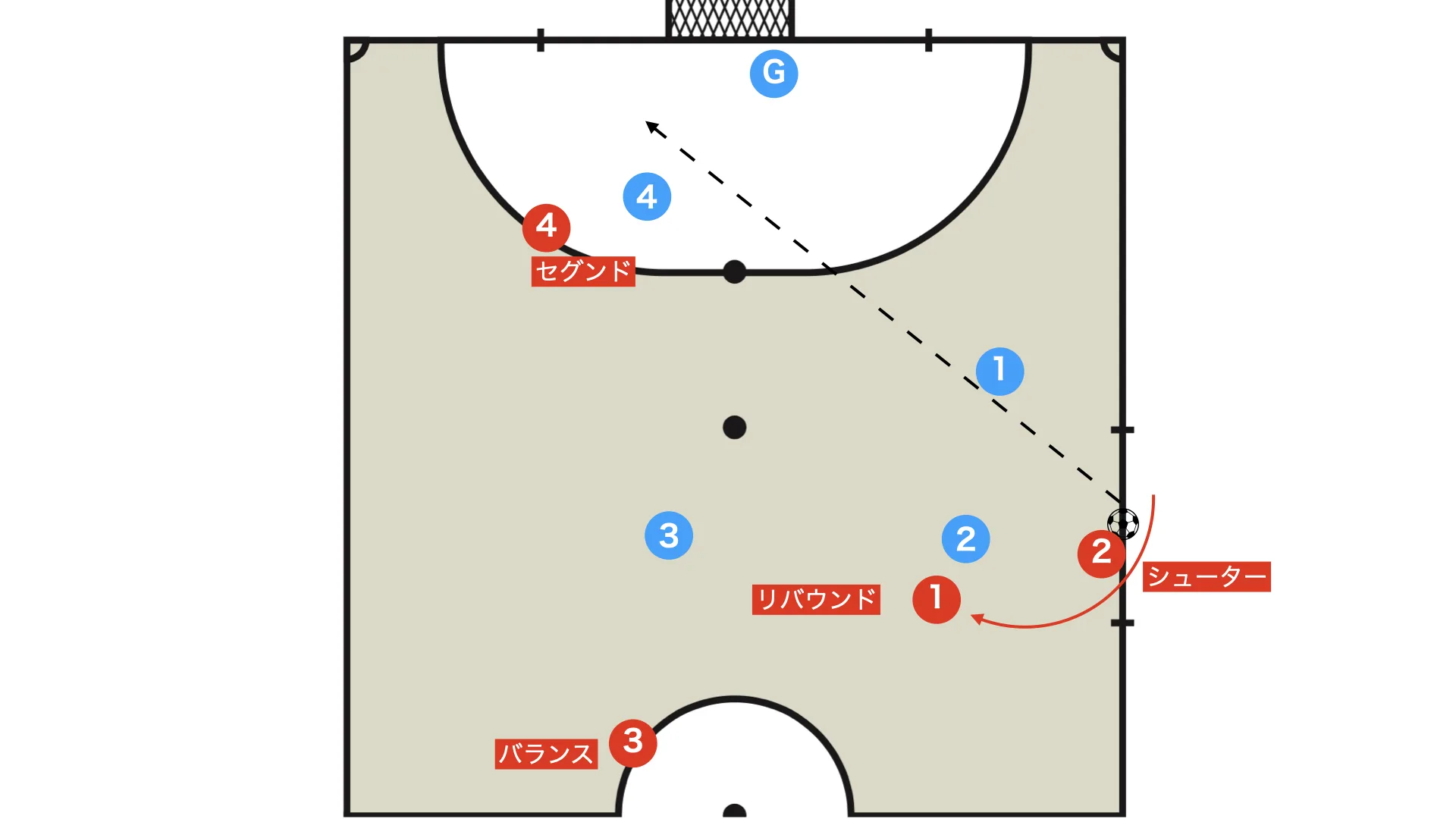
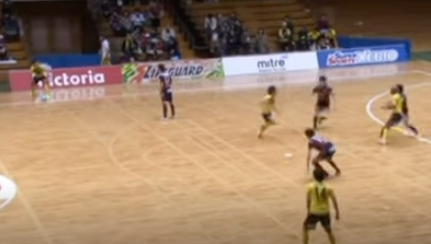
In this clip, the kick-in is from a high position, so the defending team uses only a one-player wall. (In practice, even from this spot, two players would still be safer.)
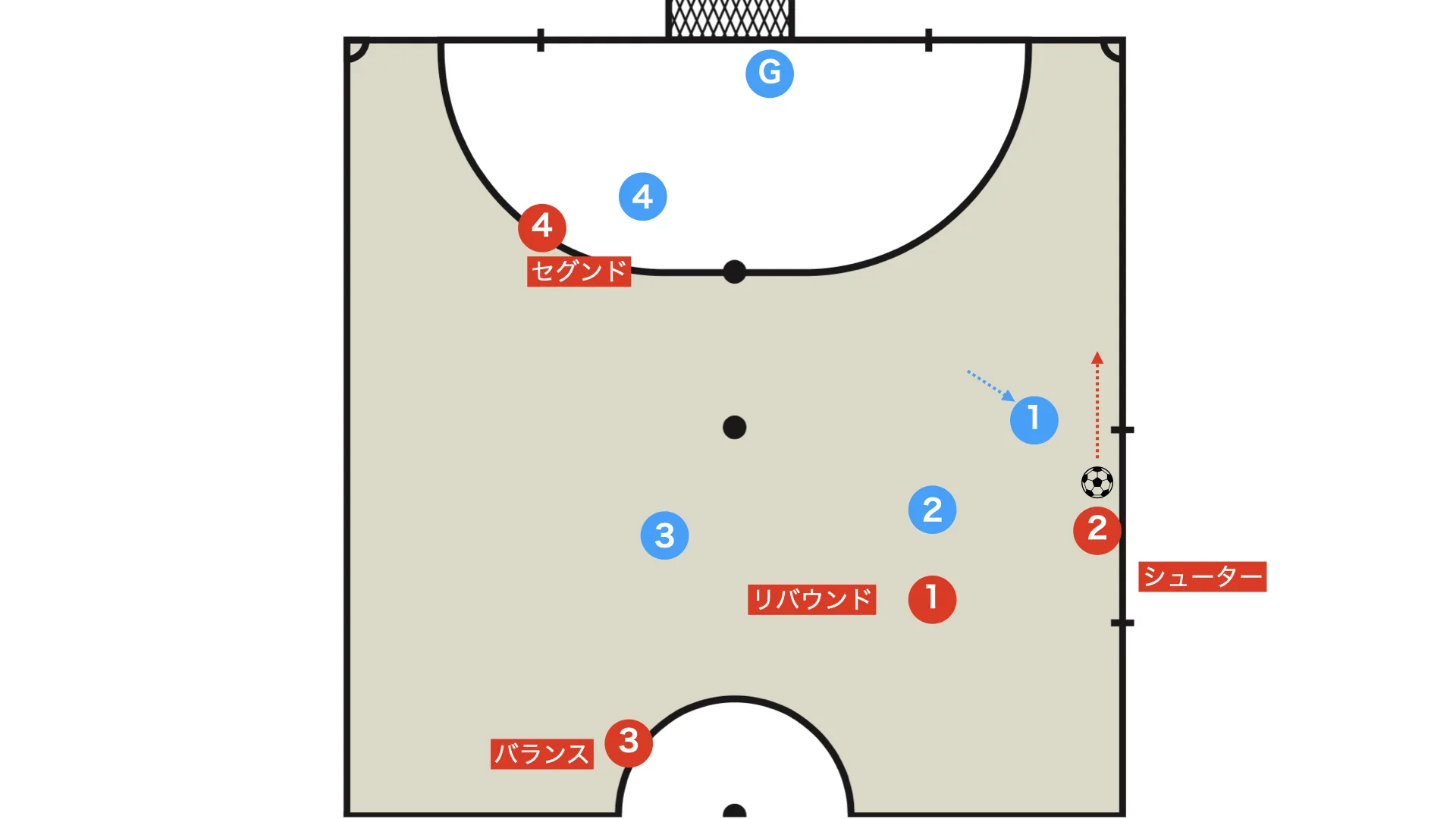
Some teams are so worried about chon-don that the near-side player, or even both wall players, step forward aggressively.
In that case, a very effective solution is to beat the defender with a shooting or kicking feint, then carry the ball forward with one touch.
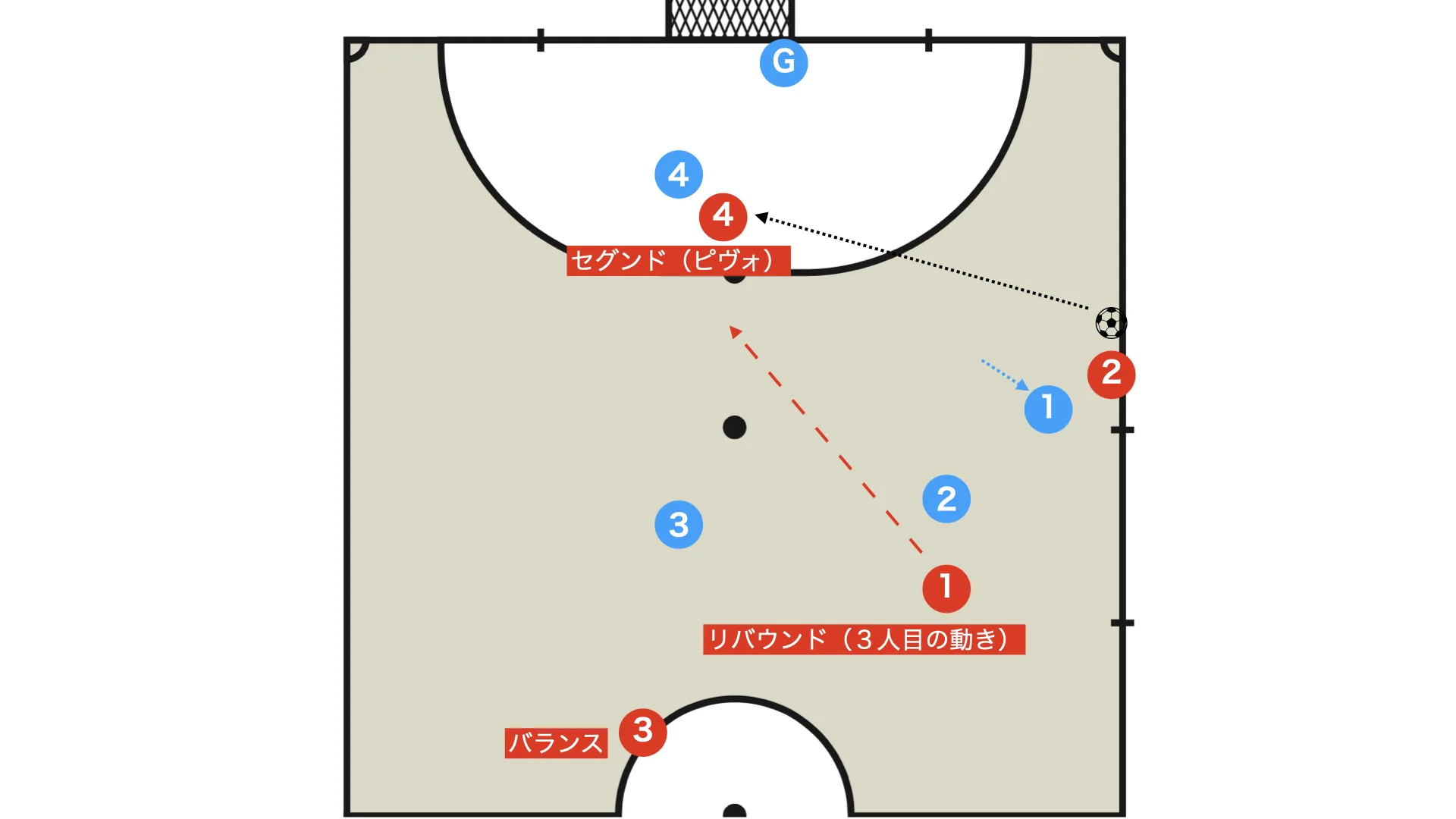
As before, it is fine to aim for the near side or the segundo depending on the situation, but if you place a pivot at the segundo, using the pivot becomes another effective attacking option.
Many teams deliberately place the pivot at the segundo for exactly this reason.
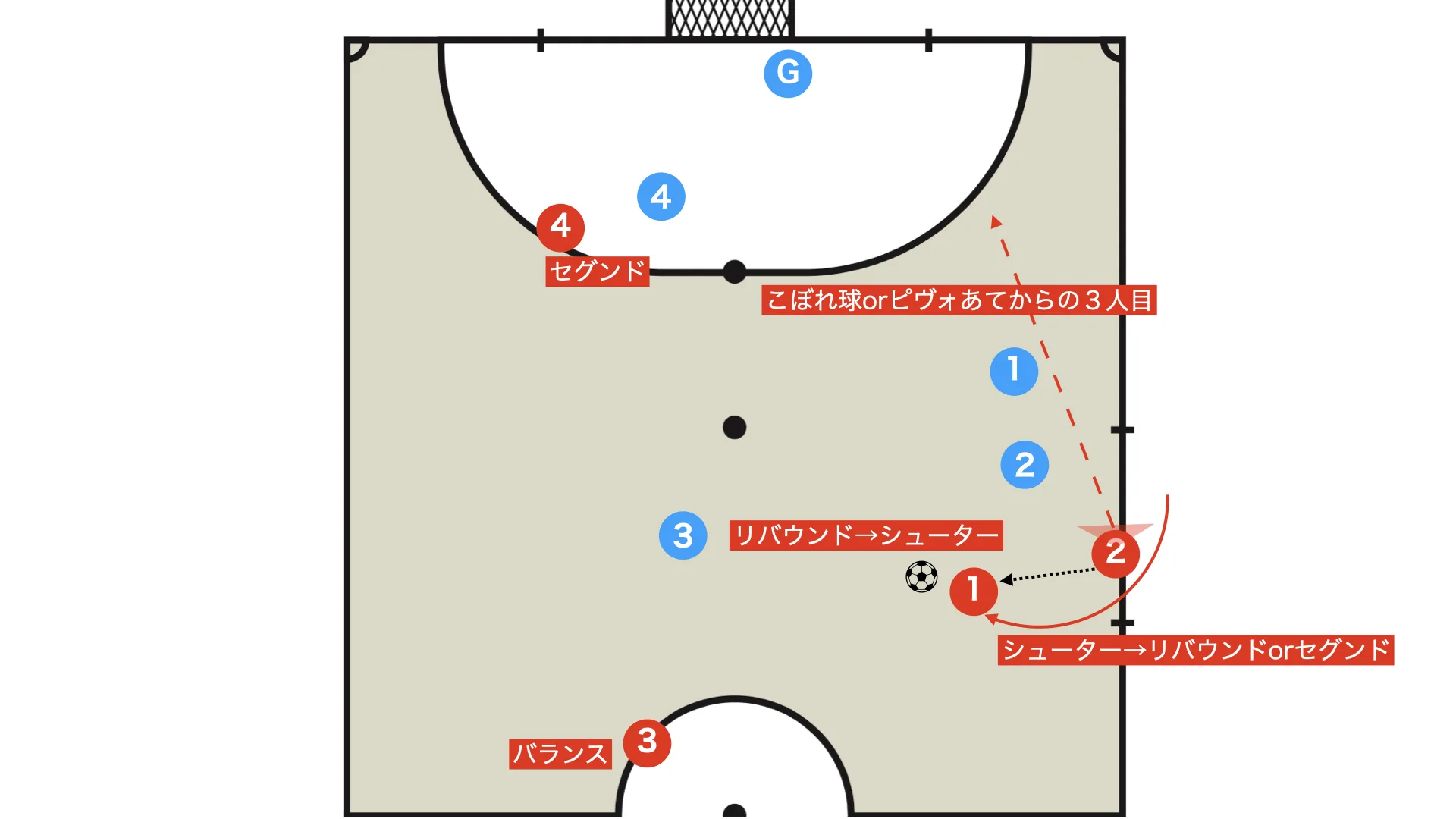
The important detail here is not to play the heel pass straight backward at 180 degrees. Instead, use the heel to play the ball at 90 degrees to the touchline, so the shooter receives a ball they can cut inside from more easily.
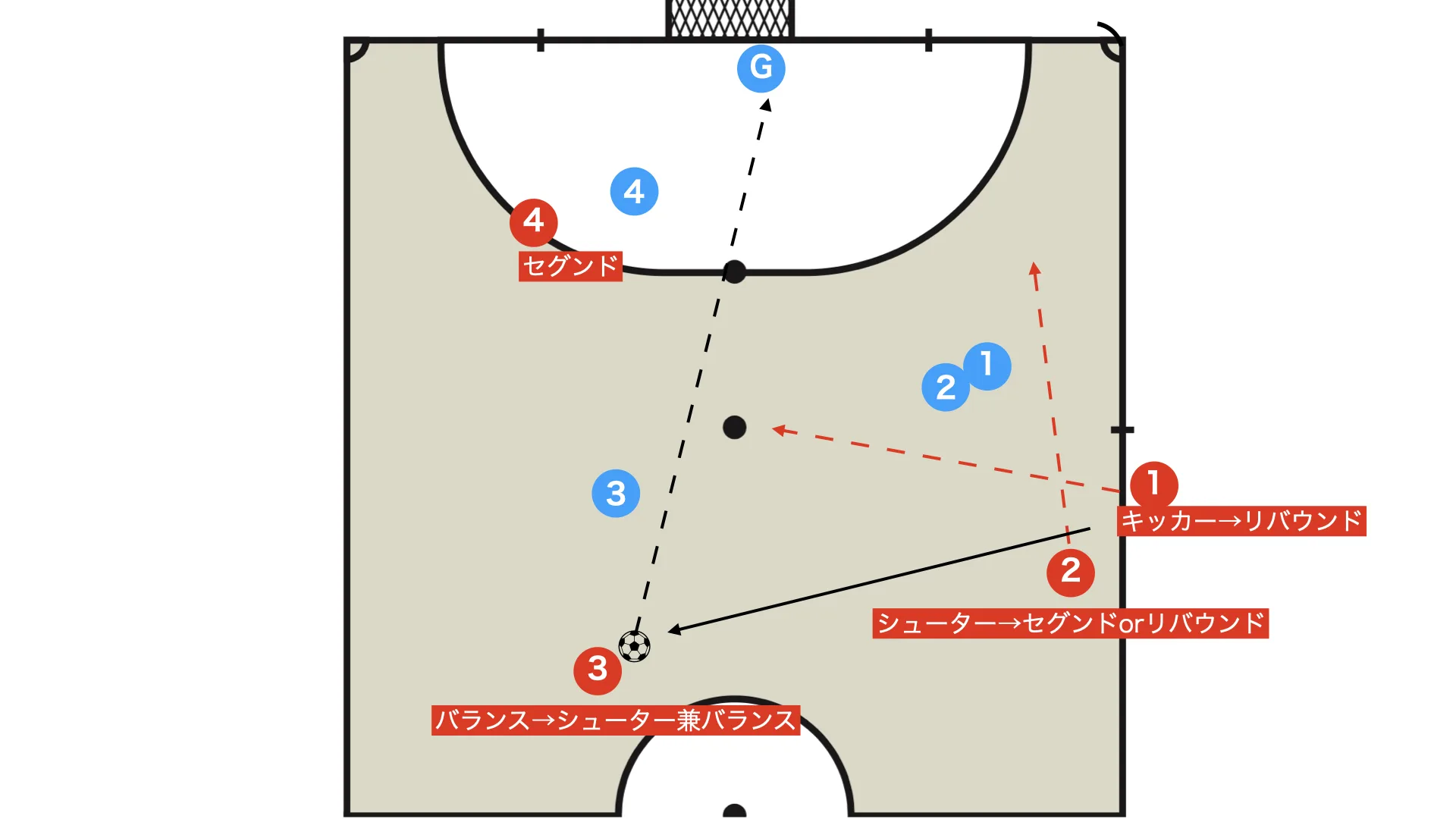
If the player holding the balance position behind the play is free, an effective option is to play a grounded pass to them and let them hit a mid-range shot.
This is especially useful on a kick-in from a high position, where the angle makes the shot easier as well.
Note
If there is absolutely no forward option, using the goalkeeper is also a valid choice.
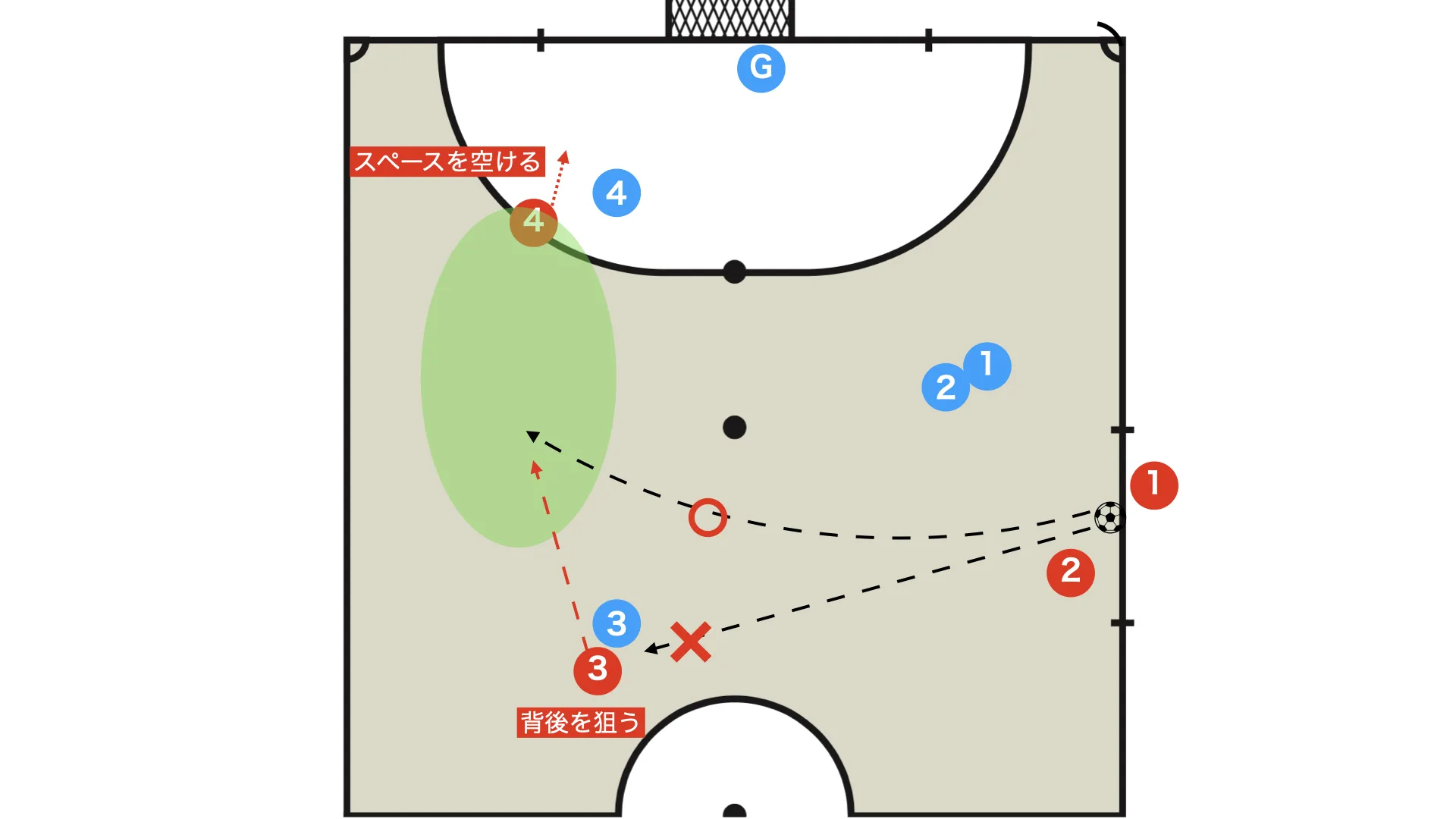
If the player holding the balance position is being marked tightly man-to-man, attacking the space behind the defender is effective.
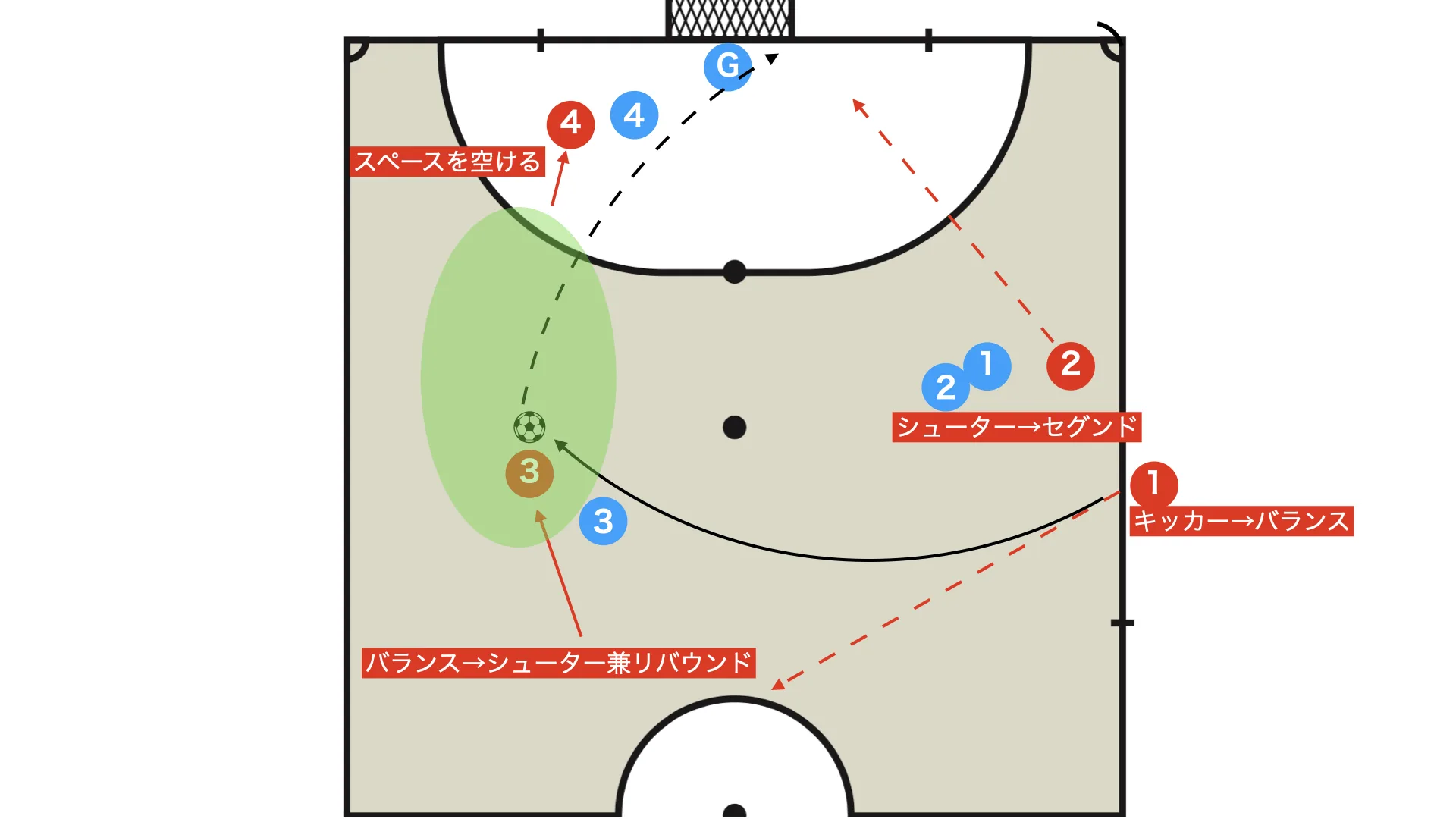
Because a grounded pass carries the risk of being intercepted and leading to a counterattack, the basic option is to play a lofted pass and finish with a volley.
If you are certain the grounded pass will get through, there is no problem with using it.
Note
Ideally, you want to be able to choose between attacking the space behind or receiving to feet depending on the defender's position, but that is a difficult option because it requires the ability to shoot well with both feet. It is better to think about the strong foot of the player in the balance position and choose the option that fits them.
Chon-don is not just about tapping the ball and smashing a shot. As you can see, it includes a range of different options.
A good set play is one that still gives you another option even when the opponent reads your main intention.
Instead of blindly increasing the number of set-play patterns, I recommend focusing first on chon-don alone and raising the quality of it.
Once the quality of your chon-don improves, trickier set plays where the kicker or the shooter break away become more effective as well. When your execution reaches a solid level, it may be the right time to add a new set play.
関連記事
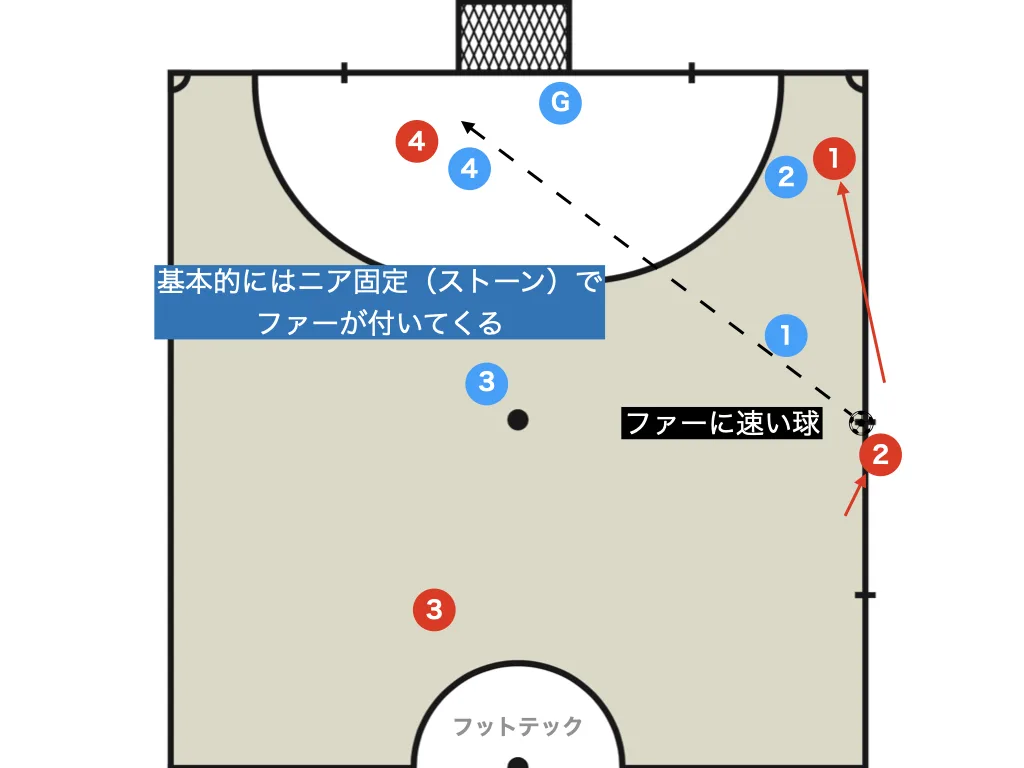
A Worldwide Trend: Opposition-Half Kick-In with a Kicker Change
An explanation of an opposition-half kick-in that uses a kicker change, a set play that was even see…
続きを読む →